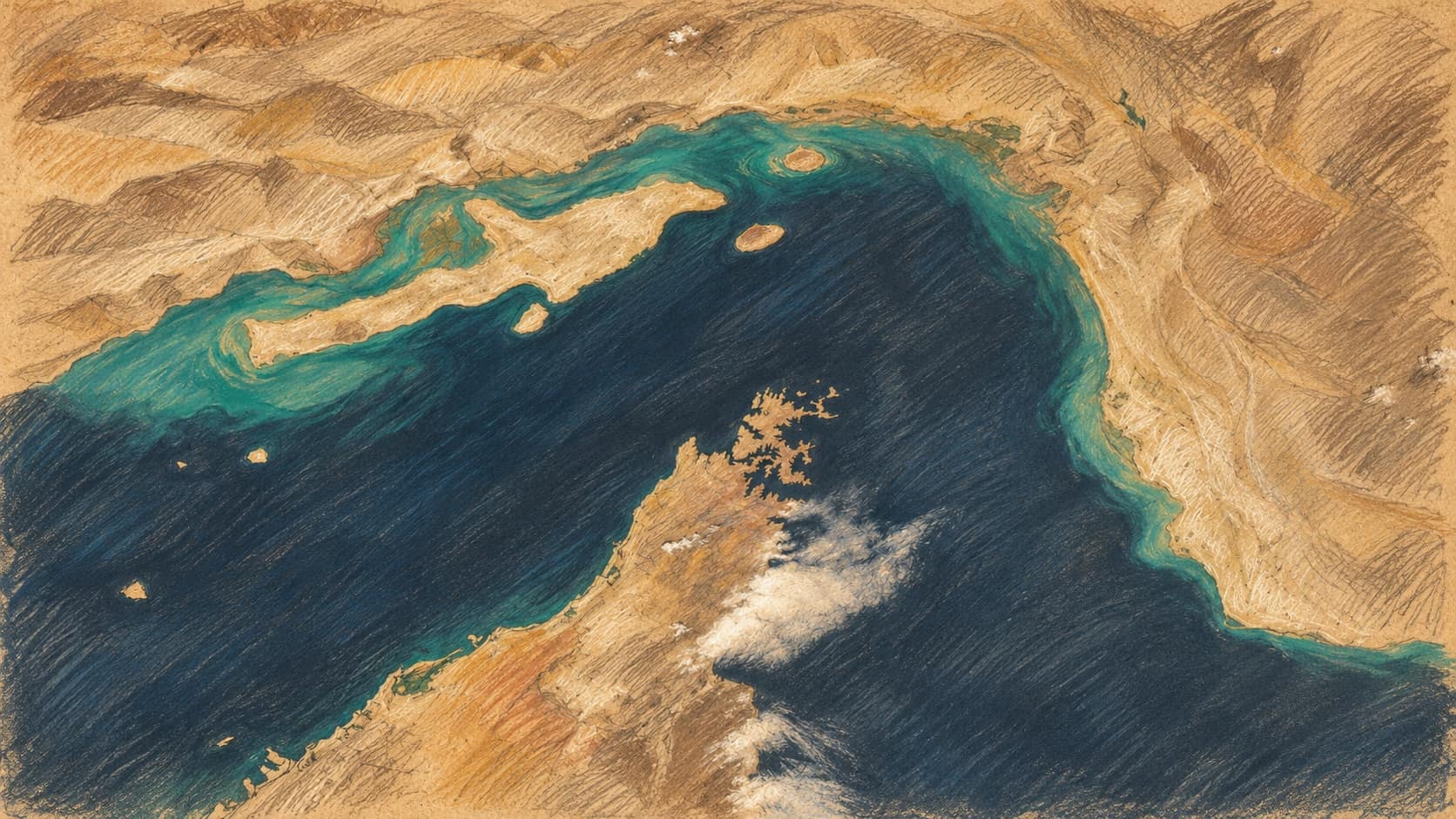
A Night of Explosions and Uncertainty
On the evening of November 2, 2026, a series of events unfolded on Iran's Qeshm Island, located in the Strait of Hormuz, that captured the attention of the world. Five explosions were reported in quick succession, accompanied by the activation of air defense systems. The cause of these explosions and the identity of any potential targets remained shrouded in mystery, with initial reports providing little clarity.
The incident occurred against a backdrop of geopolitical tensions and military posturing. Earlier that evening, Iran's Revolutionary Guards issued a statement claiming the capture of two American MQM-170 Outlaw drones south of Qeshm, attributing the success to electronic warfare tactics. However, these claims were not independently verified, and the U.S. Army's description of the MQM-170 as a target drone used in air defense training left the operator and mission of the aircraft in question.
Conflicting Reports and Speculations
As news of the explosions spread, residents of nearby Hengam Island and Bandar Abbas also reported hearing the blasts. The cause of these explosions, however, remained unconfirmed. Adding to the confusion, a separate statement from the Islamic Revolutionary Guard Corps (IRGC) claimed the interception and destruction of an MQ9 drone east of the Strait of Hormuz, but this assertion was not linked to the Qeshm incident and remained unverified.
The timing of these events raised suspicions among some observers, given the upcoming midterm elections in the United States. Speculation emerged that the explosions could be a strategic move by the Trump administration to shift the narrative away from potential electoral losses and towards a focus on national security.
"I don't trust Americans to get any vote right anymore."
"I don’t trust the billionaires not to interfere with the vote anymore."
"You mean Russia? No, Musk. We dont need Russia. We have tech bros."
A Complex Geopolitical Landscape
The situation on Qeshm Island is further complicated by the broader geopolitical landscape. Iran's recent signals of openness to peace talks, including a Qatari diplomatic mission, had raised hopes for a potential resolution to the tensions in the region. However, the explosions and air defense activity cast doubt on the prospects for a swift resolution.
"There's still quite a few commercial airplanes flying across where they probably wouldn't be if Trump was acting out his threats right now."
The Strait of Hormuz, a vital shipping lane for global oil supplies, has been a focal point of tensions between Iran and the United States, with joint U.S.-Israeli strikes on Iran in the past. The potential for further escalation in this volatile region remains a cause for concern.
Unanswered Questions and Implications
As of the time of writing, many questions remain unanswered. What caused the explosions on Qeshm Island? Were the reported aircraft involved in the incident? How do these events fit into the broader geopolitical context, including the ongoing negotiations and the recent signals of openness to peace talks?
The incident highlights the complex and volatile nature of the geopolitical situation in the region. As the world awaits further information and official statements, the events on Qeshm Island serve as a stark reminder of the fragility of peace and the potential for sudden escalations in this volatile region.

